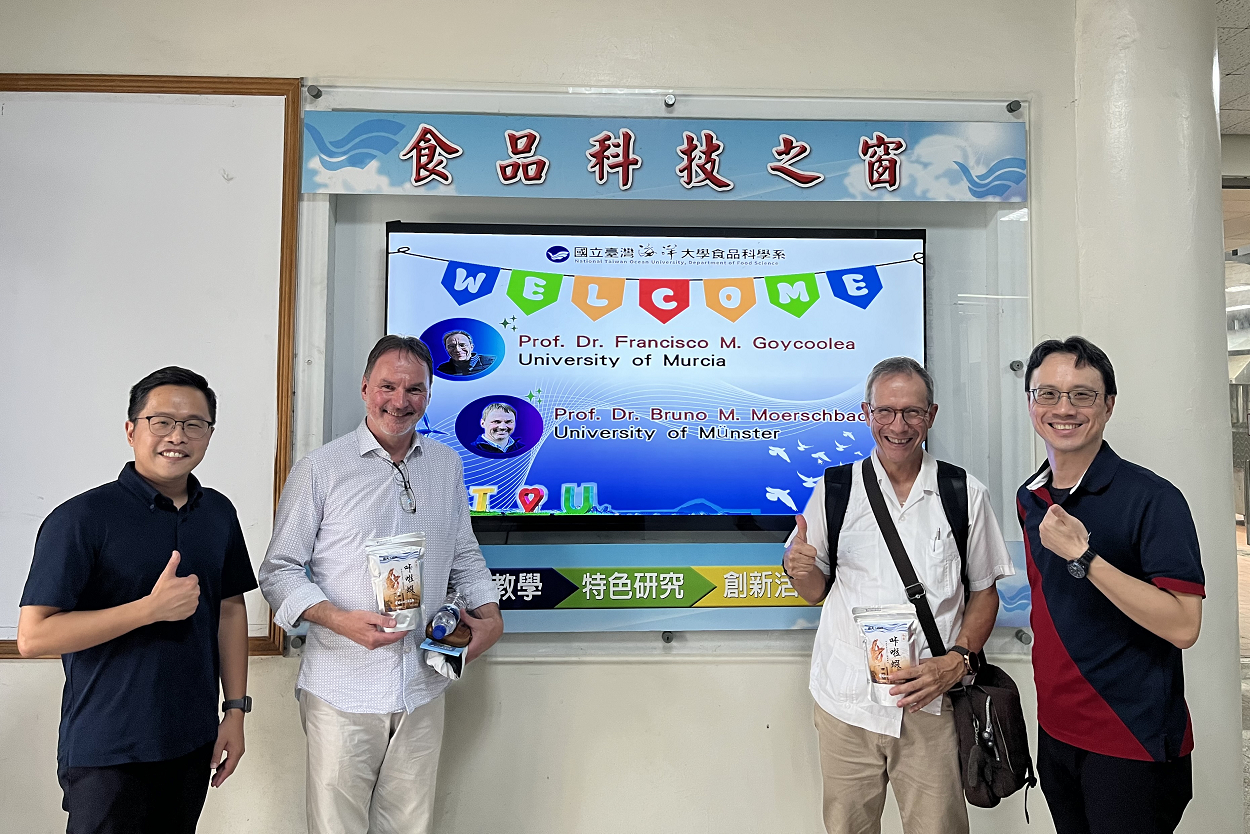
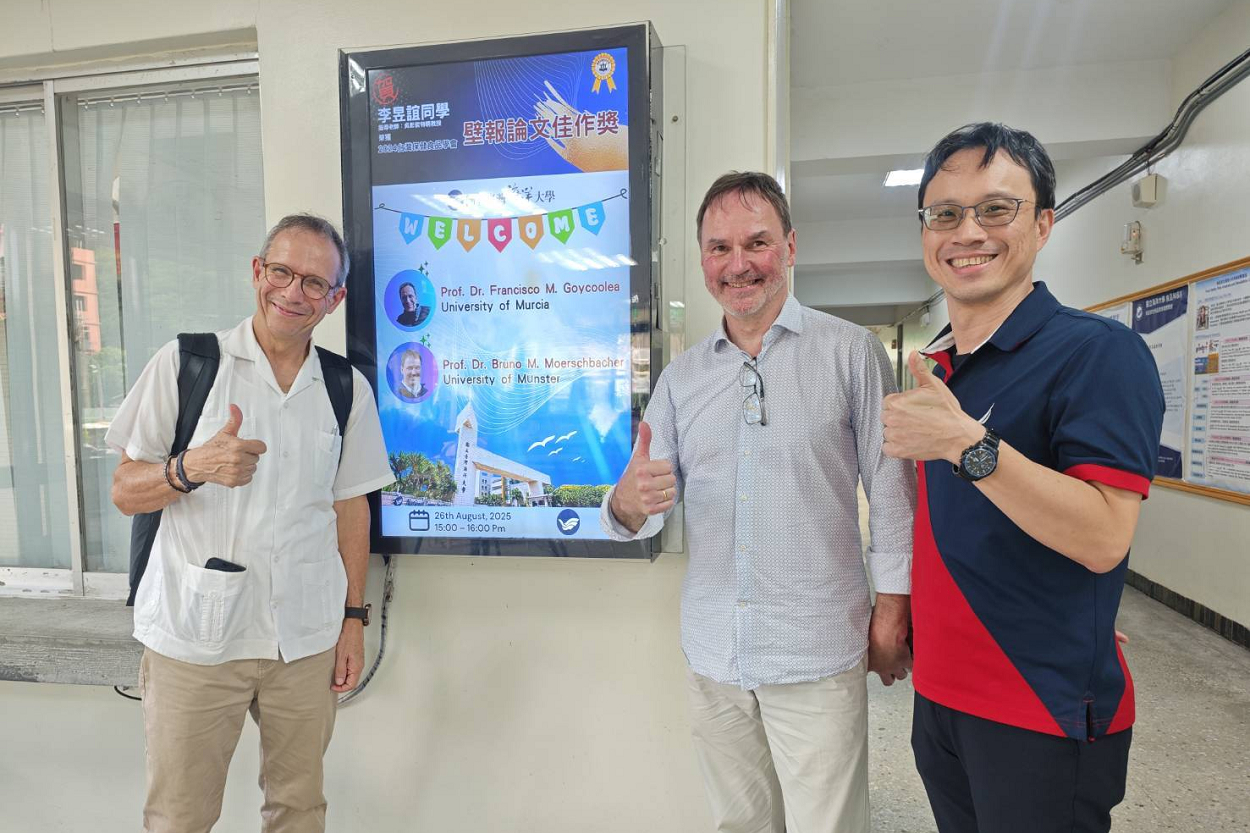
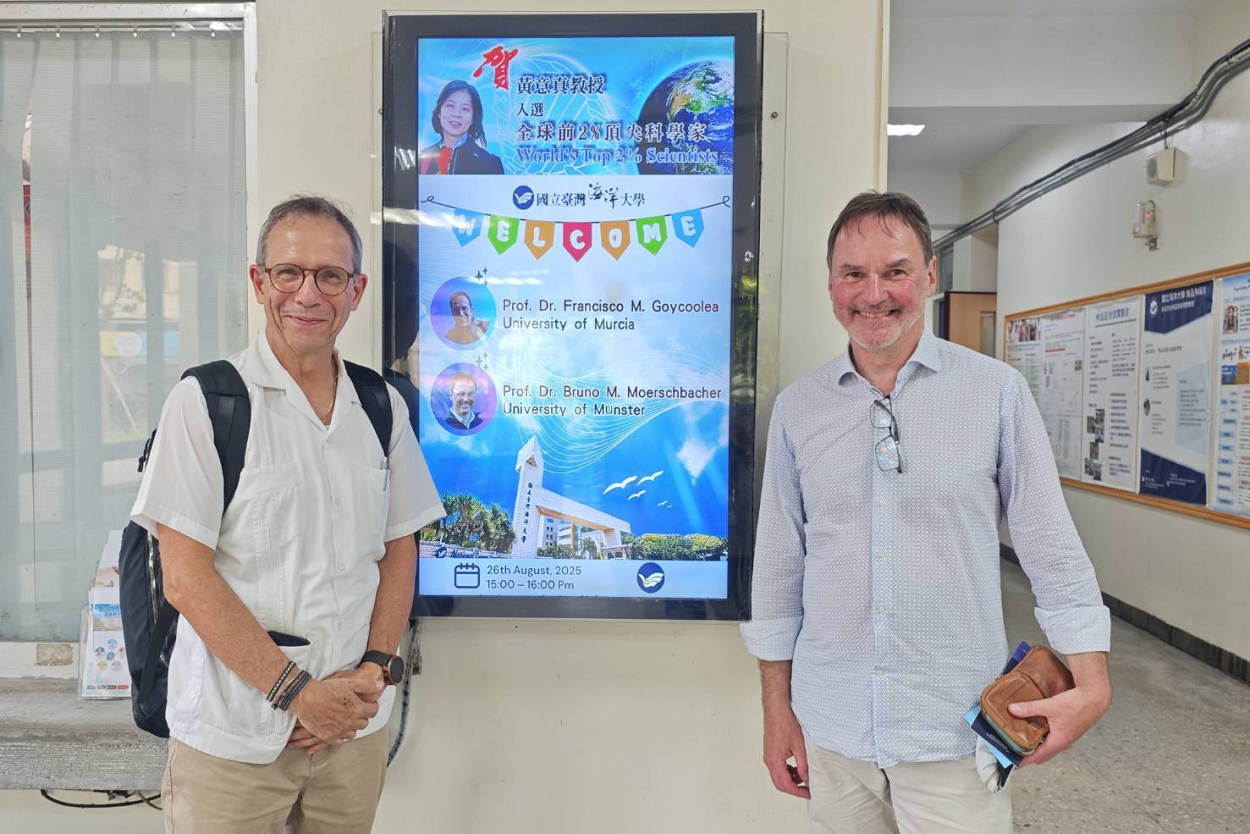
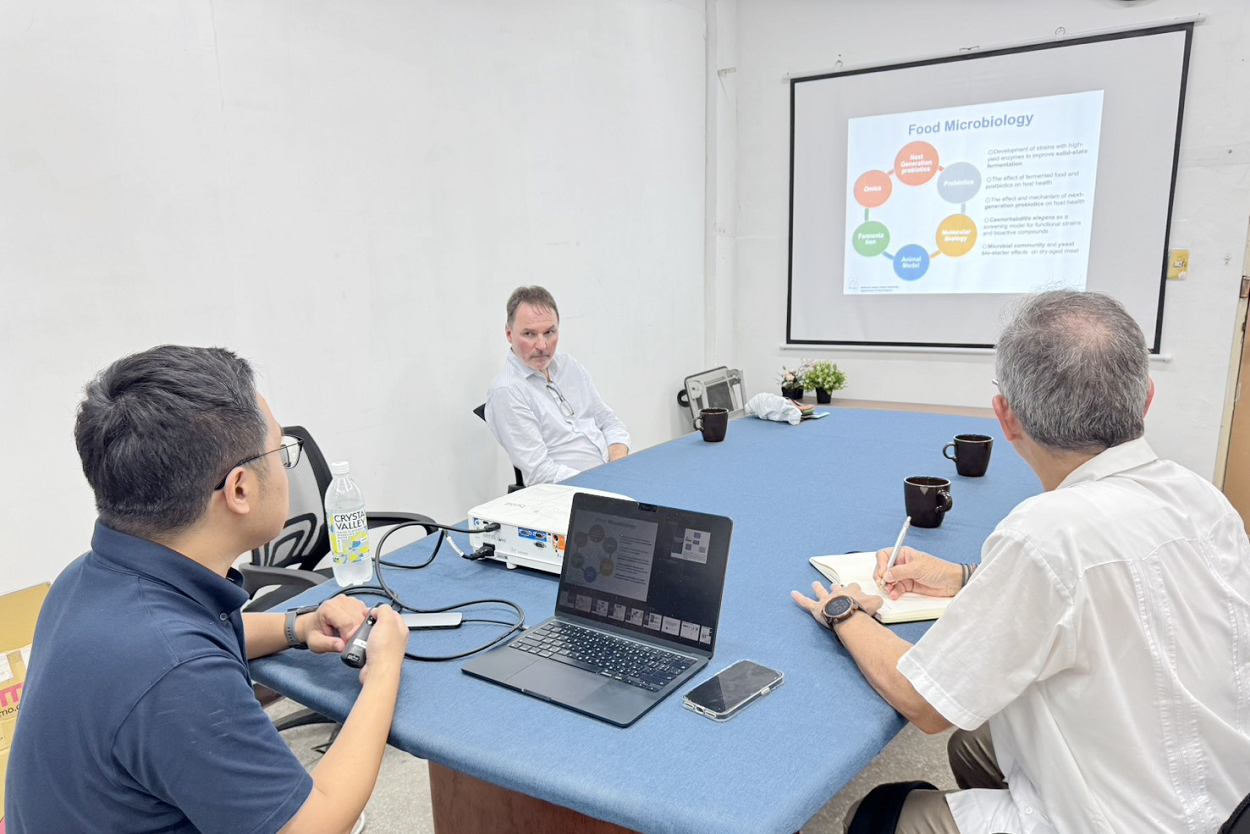
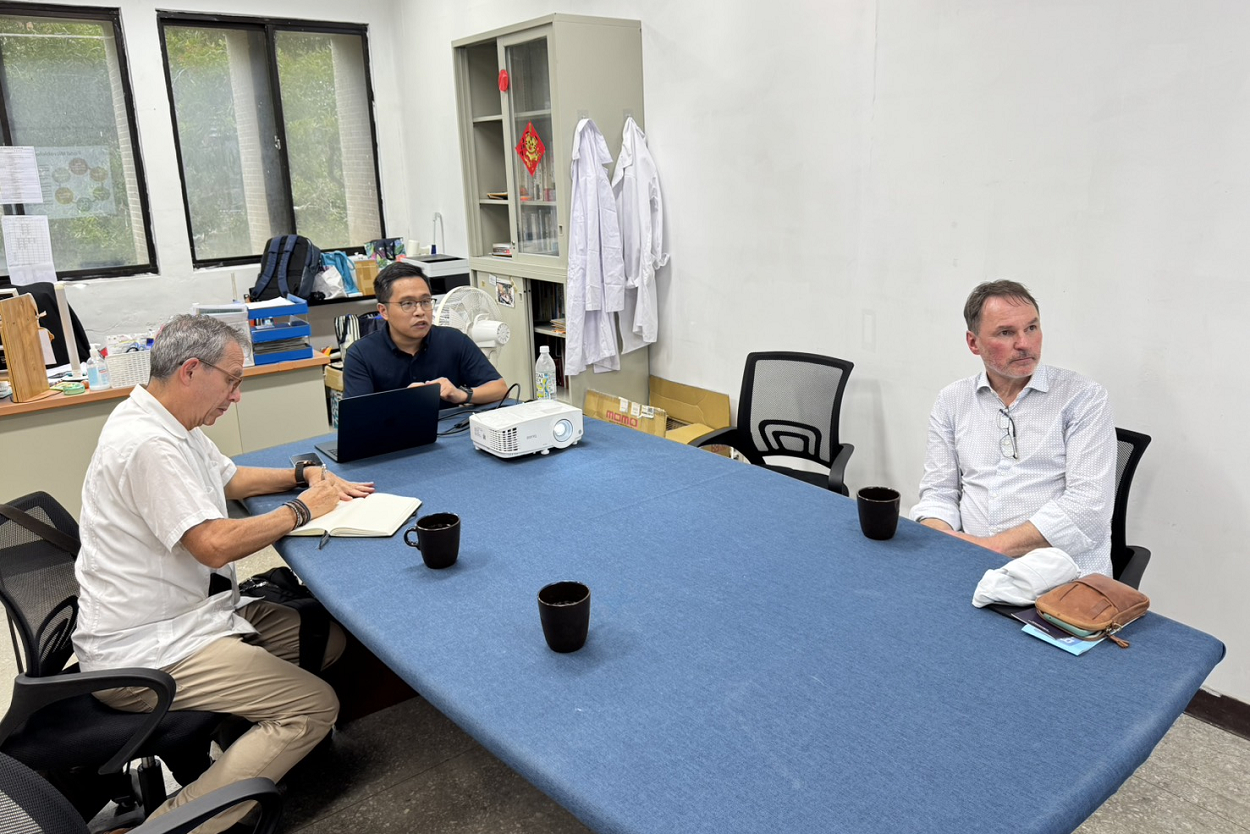
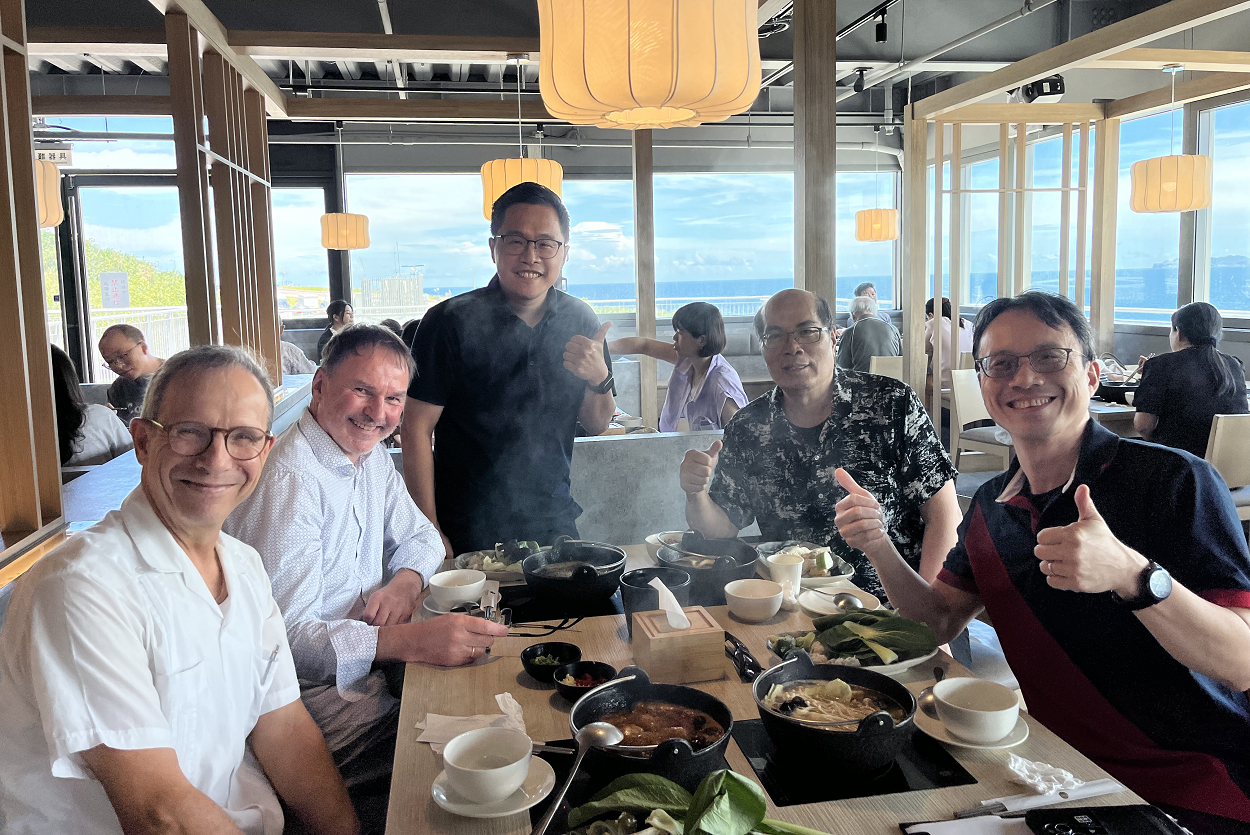
歐洲幾丁質學會(The European Chitin Society, EUCHIS)理監事 Prof. Dr. Francisco M. Goycoolea 和 Prof. Dr. Bruno M. Moerschbacher,應邀於2025年亞太幾丁質/幾丁聚醣研討會上演講,並於114年8月26日蒞臨海洋大學進行參訪。
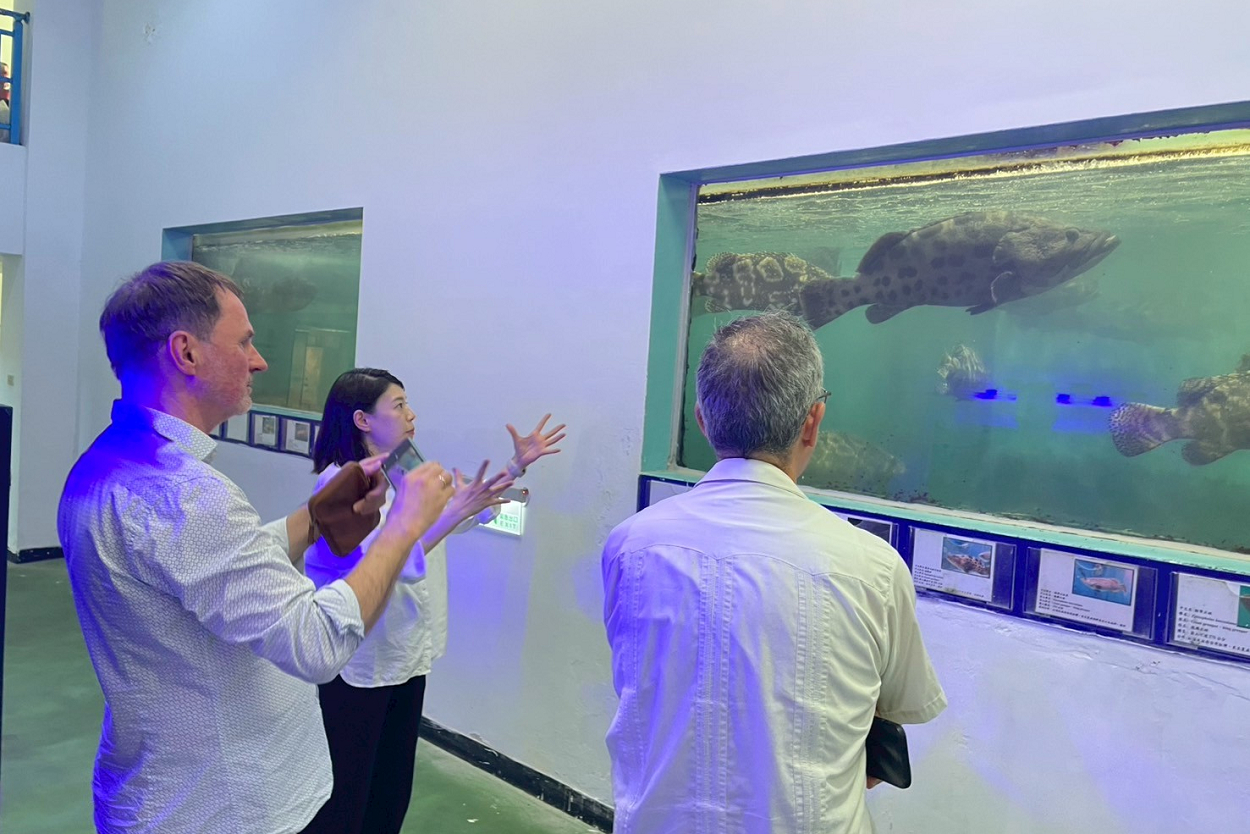
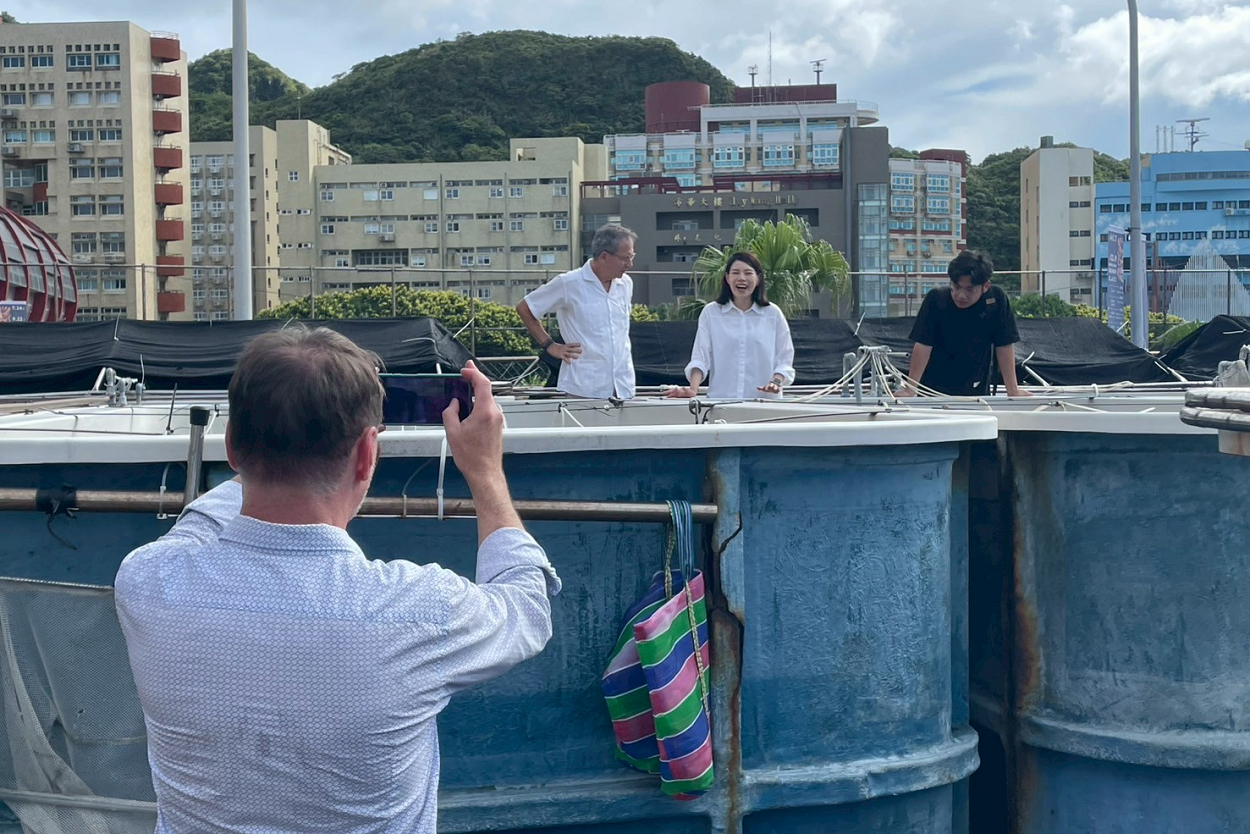
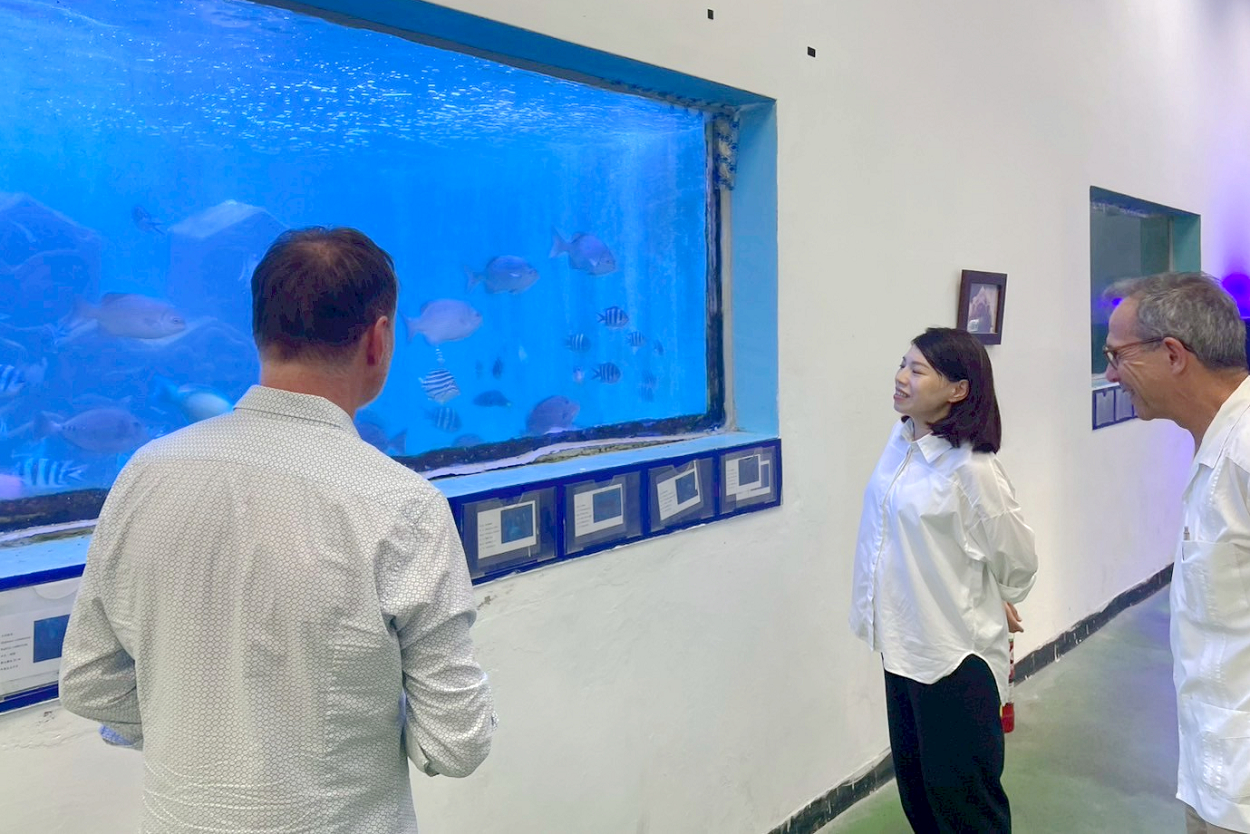
此次參訪由陳泰源系主任負責接待,首先安排參觀本校的水生動物實驗中心。中心主任胡鄴方親自介紹其內部的自動化循環水教學系統、魚蝦貝類的孵化與繁殖系統,以及室內淡水和海水觀賞魚區等設施。隨後,陳泰源主任介紹本系的北區水產加值打樣中心,本中心提供漁民一站式的諮詢服務,旨在透過「整合、加值、創新」的核心規劃,建立產品加值創新的永續經營機制,並提供包括整合諮詢和打樣輔導在內的全方位輔導措施,以提升水產品的價值。
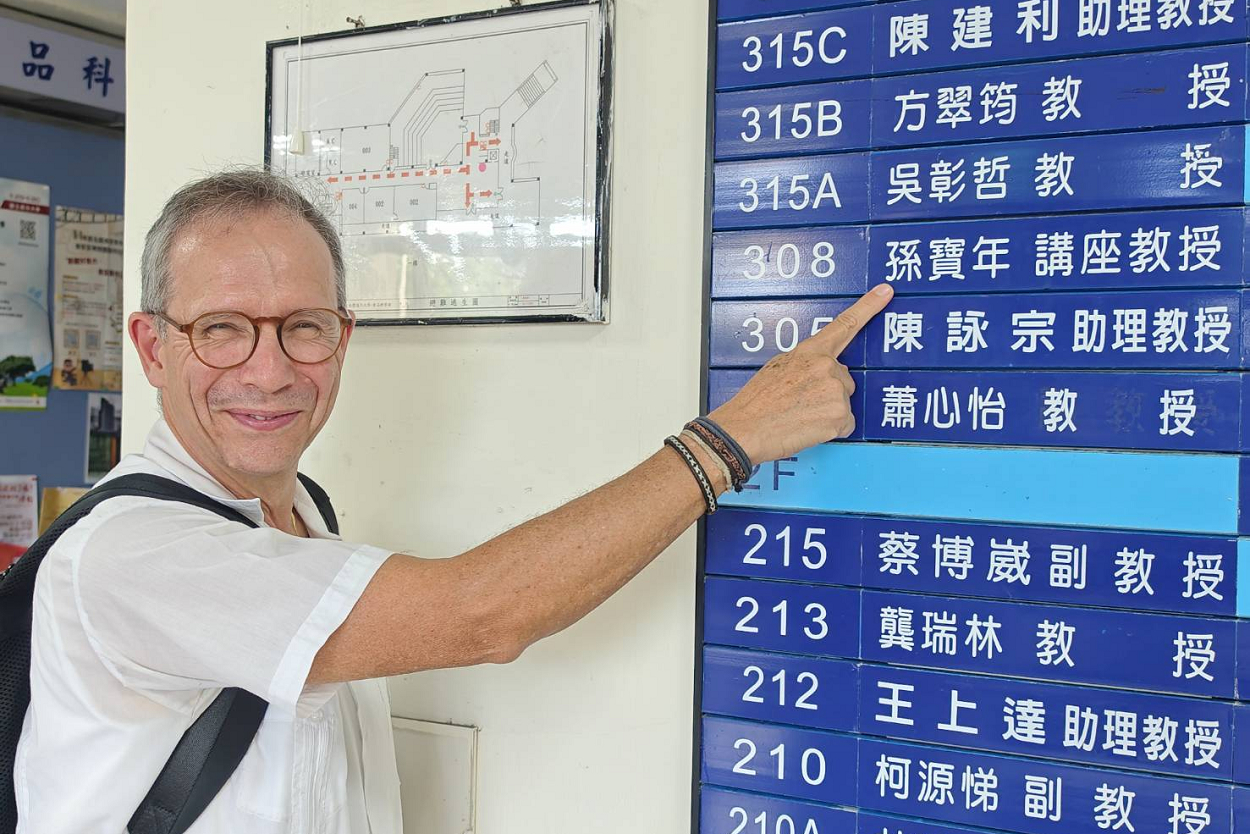
此外,陳詠宗老師與兩位參訪教授進行學術研究交流,特別是在幾丁聚醣的奈米載體、功能性發酵產品,以及肉類老化和保存中的創新抗菌應用等領域,奠定未來的合作基礎。此次學術參訪期待建立國際合作夥伴關係,未來將推動食品生技科技相關應用領域的合作,進一步強化本系在國際合作與研究方面的量能。
Prof. Dr. Francisco M. Goycoolea
Professor “Beatriz Galindo”
University of Murcia,Faculty of Biology,Dept. Cell Biology and Histology,Spain
Prof. Francisco Goycoolea is Chair in Biopolymers at the University of Leeds, UK. He has published over 200 papers on biopolymer science, nanobiotechnology, and food structure, focusing on biomass-sourced polymers for bioinspired materials and nanoencapsulation of bioactives. He is founding President of the Iberoamerican Chitin Society, board member of the European Chitin Society, Trustee of the Food Hydrocolloids Trust, and Associate Editor of Food Hydrocolloids.
His research Group at IBBP-WWU is focused in the study of advanced nanostructured biomaterials based polysaccharides and proteins, both in their fundamental aspects and their application in the life sciences. Designed on a rational basis, biopolymer-based nanostructured materials are intended as innovative platforms for biotechnological, biomedical, pharmaceutical and food applications.
Prof. Dr. Bruno M. Moerschbacher
University of Münster, Germany

The research group of Prof. Dr. Bruno Moerschbacher has twenty years of experience in research on biologically active polysaccharides from plant and fungal cell walls. Lately, the main focus of the research has been on structure/function-relationships of partially acetylated chitosans. Chitosans are probably the most versatile and most promising biopolymers with superb physico-chemical properties and a host of interesting biological activities. Moreover, chitosans are generated by partial de-N-acetylation from chitin, one of the most abundant renewable resources on earth commercially extracted from shrimp peel wastes. Crop plants treated with chitosan can become resistant to disease, and even large scale burn wounds can heal without scar formation under chitosan dressings.