
2015海藻應用國際研討會
“International Conference on Aquaculture & Fisheries July 20-22, 2015 Brisbane, Australia”
Preconference Workshop
活動日期:104年6月12日(五)
地 點:海洋大學第一演講廳
主辦單位:國立臺灣海洋大學食品科學系
協辦單位:臺灣保健食品學會
臺灣食品科學技術學會
臺灣生物科技發展教育基金會
國立臺灣海洋大學海洋中心
國立臺灣海洋大學臺灣藻類資源應用發展中心
網 址:http://aquaculture-fisheries.conferenceseries.com/
| Time | Topic | Presenter | Moderator |
|---|---|---|---|
|
9:00-9:30 |
Effects of cellulase hydrolysis and probiotic fermentation on the functionality of chlorella |
Shann-Tzong Jiang, PhD |
Zwe-Ling Kong, PhD |
|
9:30-10:00 |
The inhibitory effects of algae sulfated polysaccharide extracts on influenza A virus (H1N1) infections |
Chang-Jer Wu, PhD |
Zwe-Ling Kong, PhD |
|
10:00-10:30 |
Coffee Break |
||
|
10:30-11:00 |
Preparation and characterization of novel Fucoidan nanoparticles |
Yi-Cheng Huang, PhD |
Shann-Tzong Jiang, PhD |
|
11:00-11:30 |
Research on application of Fucoidan in tumorigenesis inhibition |
Hsien-Yeh Hsu, PhD |
Shann-Tzong Jiang, PhD |
|
11:30-12:00 |
The ameliorating effects of brown algae extracts on diabetes induced reproductive damage |
Zwe-Ling Kong, PhD |
Chang-Jer Wu, PhD |
|
12:00-13:30 |
Lunch Time |
||
|
13:30-14:00 |
Development of extracting system and process integration technology of brown seaweed functional substance |
Pai-An Hwang, PhD |
Chang-Jer Wu, PhD |
|
14:00-14:30 |
Health beneficial effects and the utilization of chlorella |
Jian-Kai Tzeng, PhD |
Hsien-Yeh Hsu, PhD |
|
14:30-15:00 |
The pre-clinical studies of microalgae extract on application of infectious disease |
Chun-Wei Cheh, PhD |
Hsien-Yeh Hsu, PhD |
|
15:00-15:30 |
Coffee Break |
||
|
15:30-16:30 |
General Discussion |
All Presenters |
Shann-Tzong Jiang & Zwe-Ling Kong |
Shann-Tzong Jiang
Title:Effects of cellulase hydrolysis and probiotic fermentation on the functionality of chlorella
 Abstract
Department of Food Science, National Taiwan Ocean University, Keelung, Taiwan.
Department of Food and Nutrition, Providence University, Taichung, Taiwan
The utilization and bioactive compounds of algal polysaccharides are much concerned in the pharmaceutical, food, and textile industries. However, their utilizations are limited because of their high resistance of cellulosic cell walls. Rigid cell walls of Chlorella species have been shown to contain mannose as a major sugar component. This study aimed to investigate the effects of cellulases and proteases hydrolysis and subsequently LAB fermentation on the release of nutrients of Chlorella. The suppression on the pro-inflammatory factors against lipoploysaccharide induced phagocytic cells by the hydrolyzed chlorella and LAB fermented hydrolysates were also evaluated. According to the data obtained, hydrolysis with cellulase and protease at 50oC made the lutein, chlorophyll, reducing sugar, and peptides released, suggesting obvious lysis of cell walls occurred. When chlorella hydrolysate was further fermented with Lactobacillus johnsonii BCRC 17010 or L. plantarum subsp. BCRC 10069 at 37oC for 24 hr, the essential amino acids increased from 512 to 1475-2337 mg/100g. More than 75% of NO and 66% of O2- productions in LPS-RAW 264.7 cells were inhibited by cellulase/protease hydrolyzed chlorella and 24 hr L. plantarum fermented hydrolysate. Both L. johnsonii and L. plantarum fermented hydrolysates could depress the tumor necrosis factor (TNF-α) and interleukin 6 (IL-6). In conclusion, lysis of chlorella cell walls by cellulase and proteases made the lutein, chlorophyll, reducing sugar, and peptides released. Cellulase/protease hydrolyzed chlorella and further 24 hr L. plantarum fermented hydrolysate could increase the essential amino acids, depress the tumor necrosis factor (TNF-α) and interleukin 6 (IL-6), and inhibit NO and O2- productions in LPS-RAW 264.7 cells, suggesting that hydrolysis and further LAB fermentation can improve the nutrition value of chlorella and subsequently be used in the health food.
Professor JIANG Shann-Tzong earned his Master Degree from Tokyo University of Fisheries, Japan, and PhD from University of Rhode Island, USA. He is a Fellow of the International Academy of Food Science & Technology, and National Endowed Chair Professor of the Ministry of Education of Taiwan, currently working at the Department of Food Science, National Taiwan Ocean University, and at Providence University as Senior Vice President. He has published more than 170 papers in reputed journals and has been serving as editorial board member of several repute journals.
Chang-Jer Wu
Title:The inhibitory effects of algae sulfated polysaccharide extracts on influenza A virus (H1N1) infections
 Abstract
Department of Food Science, National Taiwan Ocean University,
Taiwan Algae Research Center, National Taiwan Ocean University, Keelung, 20224, Taiwan
In this century, the health of human will be challenged by the newly emerged infectious disease, such as SARS, AIDS and Avian flu. Hence, there is an urgent need for new treatments against viral infectious diseases. Influenza is an acute respiratory illness caused by infection with influenza virus. Outbreaks of the infection are very common throughout the world and these result in significant morbidity in the general population and in increased mortality in high risk patients.Recently, a number of investigators have found that the extracts of seaweed present a broad range of biological activities. Consequently, we studied the effects of brown seaweed (Undaria pinnatifida) extracts on influenza A virus (H1N1) infection. This study investigated that Undaria pinnatifida extracts for inhibiting influenza A virus infection on in vitro and in vivo model. In vitro cell assay, the sequence of Undaria pinnatifida extracts treatment are according to the adsorption step of virus infection; then divide into virus adsorption and before virus adsorption (pre-treatment) and after virus adsorption (post-treatment). We use plaque assay, viral RNA expression (real-time PCR), andimmunofluorescence assayto study the protective effects of Undaria pinnatifida extracts. TheUndaria pinnatifida extracts also have good effects on antioxidant. In vivo, the 6 weeks-old BALB/c mice were injected intranasally with lethal doses influenza virusand then were observed for symptoms of viral infection and death every day for 14 days. In vitro cell assay, the better inhibition effect of virus adsorption on influenza virus infection is before virus adsorption stage. In BALB/c mice animal model, the 6 weeks-old mice infecte with lethal doses influenza virus and the mortality rate is 80-100%. The mice pre-treatment Undaria pinnatifidaextracts before virus infection, the mortality rate of these mice are effectively reduced. The seaweed polysaccharide extracts also effectively decrease the lung injury in the H1N1-infected mice.In summary, the Undaria pinnatifida extracts show a protective effect against influenza virusinfection on both in cell and animal experiment.Undaria pinnatifida extract may be an ideal candidate worth while to develop into anti- influenza virus agents.
Chun-Wei Cheh
Title: The pre-clinical studies of microalgae extract on application of infectious disease.
 Abstract
Far East Bio-Tec. Col., Ltd., Taipei, Taiwan 115
The extracts of Spirulina platensis were evidenced to have antiviral activity on HIV or EV71 in previous studies, therefore we examined the anti-influenza efficacy of cold water extract from Spirulina platensis, FE-L-APO, the API of Apomivir® , for an alternative drug development since influenza viruses are highly mutant to induce resistance to prevalence chemical compounds.
The plaque forming reduction assay reveal the 1.5 mg/ml of FE-L-APO will each reduce the 50 to 70% of plaque forming of various influenza virus strains. The time-of-addition assay and HAI (hemagglutination inhibition assay) test indicate the water extract of Spirulina platensis significantly deactivated influenza virus at early stage of viral replication cycle in vitro. In vivo study, administering 10 to 100 mg/kg/day of the Spirulina platensis extract to Influenza A and B infected mice twice daily for five days can improve the survival rates, severe weight loss (>30%), and pre-administrating 100 mg/kg/day of the extracts to influenza virus infected mice for 7 days also showed the prophylactic efficacy on weight loss.
The water extract of Spirulina platensis, FE-L-APO, can deactivate broad spectrum of influenza viruses in vitro, and can alleviate the level of severe weight loss and improve survival rates of influenza virus infected mice. For long used history and safety of Spirulina platensis, the Spirulina extract might be a good drug candidate for preventing and improving the severe pathogenicity of influenza virus infection.
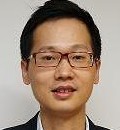
Mr. Chun-Wei Cheh completed his Master of Science degree from Carnegie Mellon University and has worked at University of Pittsburgh Medical Center (UPMC) for a year as a cancer immunology researcher. He is now working as the special assistant to president at FEBICO, a company specializes in the research and development of new drug extracted from microalgae.
Hsien-Yeh Hsu
Title:Research on Application of Fucoidan in Tumorigenesis Inhibition
 Abstract
Department of Biotechnology and Laboratory Science in Medicine, National Yang-Ming University, Taipei, Taiwan
Fucoidan, as one kind of brown seaweeds-derived polysaccharides exerts anti-tumorigenesis in cancer cells. We recently demonstrated that there is an alternative approach of studying biological anti-cancer function of fucoidan. We found fucoidan inhibits the proliferation, transforming capability, colony formation, mobility, etc. in cancer cells including breast and lung cancers. In xenograft-mice models, we demonstrated that fucoidan inhibits the tumorigenesis, reduces tumor size and metastasis of xenografted breast and lung cancer to tissues/organs in vivo. The mechanisms for fucoidan anti-metastasis are under further investigation. As it known that TGF-β receptors (TGFRs) and mediates related signal transduction pathways play important roles in development of tumors and metastasis; hence, we investigated the effects of fucoidan on TGFRs and relevant molecules in the development of tumorigenesis. Initially, we found fucoidan effectively reverses TGFR-induced epithelial-to-mesenchymal transition (EMT) morphological changes. Our data indicated that fucoidan decreases TGFRs-mediated Smad/non-Smad signaling pathways in cancer cells. Specifically, our study is the first to identify a novel mechanism for the antitumor activity of fucoidan, namely decreasing tumor growth by modulating the TGFR/Smad7/Smurf2-dependent axis in the fucoidan-enhanced ubiquitination proteasome pathway (UPP)-mediated degradation of TGFRs, and inhibition of breast, lung cancer cells progression in vitro and in vivo. Our current findings indicate that fucoidan has potential as a therapeutic intervention or dietary supplementation for controlling cancers development.
Hsien-Yeh Hsu, a molecular and cellular biologist. He obtained Ph.D. from Cornell University, USA. Later, he worked on biotechnology companies as senior scientist and project manager in Boston area. In 1993, he became Assistant Professor in Weill Cornell Medical College, NYC. In 1997, he returned to National Yang-Ming University, Taiwan as Associate Professor; he was promoted to be Professor in 2002. Currently, he works at Department of Biotechnology and Laboratory Science in Medicine, and also as Research Fellow in Genomics Research Center, Academia Sinica, Taiwan. He focuses on function of polysaccharides in anti-cancers and dissects the inhibitory mechanisms of cancers in mice model. He engages on examining anti-cancers therapeutic intervention and on developing anti-cancers drugs.
Yi-Cheng Huang
Title:Application of Chitosan/Fucoidan Nanoparitcles in Oral Delivery System
 Abstract
College of Life Science, Department of Food Science, National Taiwan Ocean University, Keelung, Taiwan
In designing an effective oral delivery system, the harshness of the gastrointestinal tract is a key limitation. Therefore, developing a pH-responsive carrier is crucial. We developed novel chitosan/fucoidan nanoparticles (CS/F NPs) using a simple polyelectrolyte self-assembly method and evaluated their potential to be oral delivery carriers. As the CS/F weight ratio was 1/1, the CS/F NPs were spherical and approximately 380 nm, revealing significant pH-sensitive properties. The isoelectric point of the CS/F NPs was 5.7. Using gamma scintigraphy, the 99mTc-methylene diphosphonate encapsulated CS/F NPs were quite stable at pH 2.5 and decomposed at pH 7.4. For long-term storage, trehalose (20 %, w/v) is a suitable cryoprotectant. The outcome of the transepithelial electric resistance (TEER) of the Caco-2 monolayer shows that CS/F NPs effectively enhanced the opening of the cell tight junction. The CS/F NPs also exhibited highly potent antioxidant effects by scavenging 1,1-diphenyl-2-picrylhydrazyl (DPPH), reducing the concentration of intracellular reactive oxygen species (ROS) and superoxide anion (O2−) in stimulated macrophages. The DPPH scavenging effect of CS/F NPs primarily derives from fucoidan. These CS/F NPs activated no host immune cells into inflammation-mediated cytotoxic conditions induced by IL-6 production and NO generation. Gentamicin (GM), an antibiotic, was used as a model drug for an in vitro releasing test. The CS/F NPs controlled the release of GM for up to 72 h, with 99% of release. In conclusion, the pH-responsive CS/F NPs with anti-oxidative properties are promising carriers for an oral delivery system.
Yi-Cheng Huang completed her BS and MS in Chemistry in National Tsing Hua University and PhD in Biomedical Engineering at National Taiwan University. Her research interests are using marine resources such as chitosan and fucoidan for nano-carriers development and tissue regeneration. She was supported by the Ministry of Science and Technology, Taiwan to conduct her researches and has published more than 20 papers in reputed journals and got 6 patents.
Jian-Kai Tzeng
Title:Health benificial effects and the utilization of chlorella
 Abstract
Taiwan Chlorella Manufacturing Co., Ltd.
Natural "whole food" - Chlorella is an unicellular freshwater green microalgae which contains large quantities of proteins(~60%), nucleic acid(~4%), chlorophyll(~2.5%), vitamins(vit.A, B12, D, …), minerals, dietary fiber, essential amino acids and high levels of carotenoids such as β-carotene and lutein. It has been a popular dietary supplement worldwide, especially in Japan, Taiwan and Korea. Many researches suggest that daily dietary supplementation with chlorella may produce hypoglycemic effects, reduce high blood pressure, lower serum cholesterol levels, reduces dioxin levels in breast milk and enhance immune functions. It has a lot of benefits for human health. Now chlorella has been used in food such as noodle, cake, wafer …etc. And chlorella water extract CGF(Chlorella Growth Factor) also be added to facial mask and cosmetic.
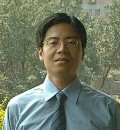
Jian-Kai Tzeng has completed his master degree from the National Taiwan University School of Pharmacy. He is the pharmacist of Taiwan Chlorella Manufacturing Co., Ltd., the first chlorella manufacturer in Taiwan. He has managed customer service and provided product information for chlorella consumer more than 10 years.
Yu-Chun Hsu, Christina Wong, and Zwe-Ling Kong
Title:The Ameliorating Effects of Brown Algae Extracts on Diabetes Induced Reproductive Damage
 Abstract
Department of Food Science, National Taiwan Ocean University, Keelung, Taiwan
Aim: Diabetes is a major problem in the present stress-rich environment, by increasing the energy imbalance and disrupting the cross-talk between the endocrine system. The algae ingredients were investigated toward reproductive protection regarding to diabetes complication. Fucoxanthin 40% rich-brown algae extracts (FXE) were obtained from Sargassum glaucescens of Taiwan. Fucoxanthin has been shown to have good anti-oxidant, anti-inflammatory, anti-obesity effects, and preliminary confirmed the neuroprotective effect. Methods: For spermatogenesis evaluation, FXE were givenp.o. by gavages after Cisplatin i.p. injection (6 mg/kg body weight) or Strepzotocin-Nicotiamine (STZ-NA) induced diabetes. FXE showed strong efficacy on both assay system of cell culture and animal model. Furthermore, the immunomodulatory functions of fucoidan found in brown algae, were also investigated on both cultured cells and animal model. Results: We revealed that the protective function of FXE will be via its immune modulating effects. Furthermore, FXE also showed increasing antioxidant ion and detoxification genes mRNA expression level (Nrf2, HO-1). It is also suggested that FXE (26 mg/kg B.W./day) may ameliorated hypogonadism of diabetic rats through regulation of brain KiSS1/GPR54 system that affect testosterone level. Conclusion:Increasing evidence from the past decade indicates that the previously distinct disciplines of immunology, metabolism and neuron should now be considered as a new field of investigation. This study suggested that brown algae extracts may pay an important role in prevention of diabetes and related infertility via dietary supplement.
Prof. Zwe-Ling Kong has completed his PhD from Kyushu University, Japan. He is currently the Journal editorial board member of both Cytotechnology and Zebrafish. He has been the general secretary of Taiwan Society of Health Food, as well as CEO & cofunder of Alarvita Biolife Corporation. At present, he is the chair of Department of Food science, National Taiwan Ocean University, and the chairman of Biotaiwan Foundation.
Pai-An Hwang
Title:Development of Extracting System and Process Integration Technology of Brown Seaweed Functional Substance
 Abstract
Seafood Technology Division, Fisheries Research Institute, Council of Agriculture, Taiwan
For the production of goods from brown seaweed to be feasible, we should now bring all positive ingredients into full play. The efficient application of functional substances from brown seaweed is a critical component of the overall cost of production. There are five inventions in our process integration technology, including: 1. Optimization of enzyme extraction of low molecular weight (LMW) fucoidan from brown seaweed: The present invention relates generally to extract fucoidan. More particularly, the invention relates to remove heavy metal ions from brown seaweed and method of hydrolysis fucoidan extract into LMW. 2. Optimization extraction of fucoxanthin from brown seaweed and its high-stability aqueous coating: The present invention relates to a coating composition, especially, relates to an aqueous coating composition with improved stability. 3. Method for preparing health food with LMW fucoidan. 4. Method for preparing external using agent with LMW fucoidan. 5. Optimization fermentation of brown seaweed: The invention discloses a brown seaweed residue compost fermentation method for feeding stuffs. Above-mentioned inventions not only can implement alone but also can series connection. All these advances in brown seaweed inventions are expected to lead to the creation of a new genre of seaweed industry.
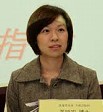
Pai-An Hwang has completed her PhD at the age of 26 years from National Taiwan Ocean University, Department of Food Science. She studies on multiple bioactivities from brown seaweed for 7 years. She has published more than 20 papers in reputed journals and has been directing 5 technique transfers.

 研討會出席回條.docx